By Bruce Doorly
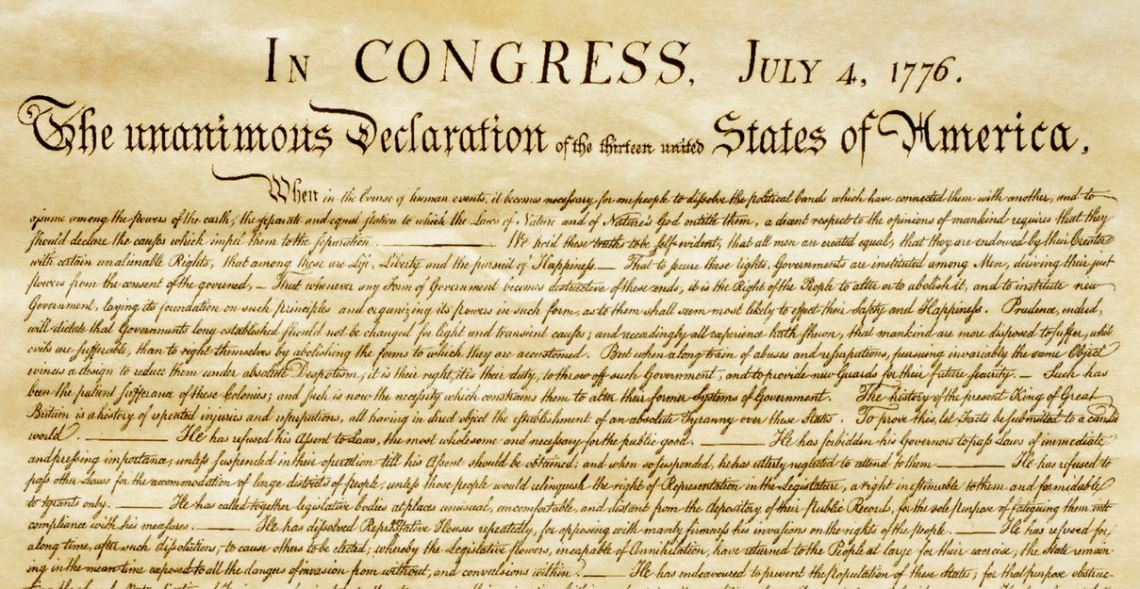
In this article we take a look at the document that officially declared our independence and tell what local towns first held public readings of this “Declaration of Independence.”
Settlers from Europe had been arriving in Colonial America, which was governed by Britain, since 1607. By 1700, the population was 260,000 people. By 1776, these numbers would grow tenfold, increasing to 2.5 million. Tensions between the American colonists and the ruling British would begin to escalate in 1763.
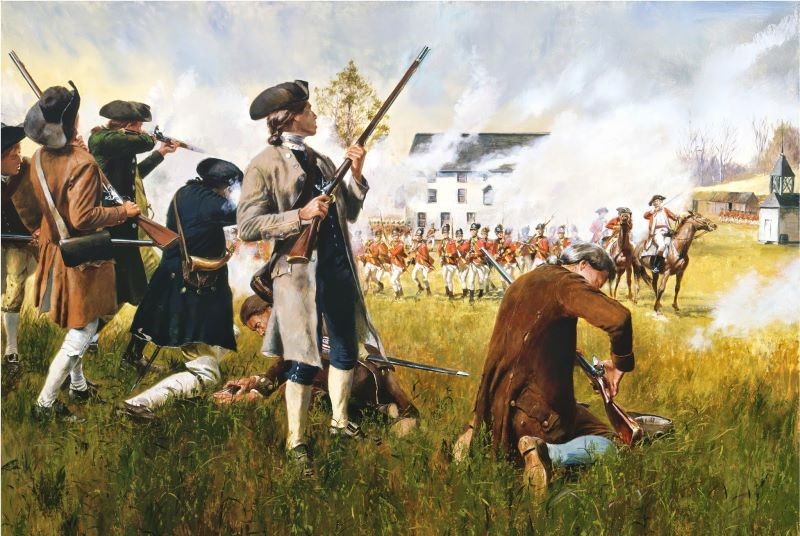
By 1775, these tensions led to war, as there were major military engagements in Massachusetts at Lexington and Concord. Talk of declaring independence from Britain was an ongoing topic. But the colonists were split on the issue.
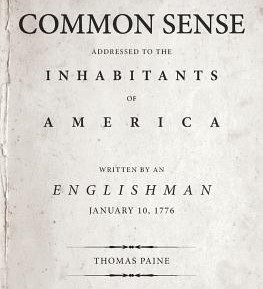
Then in January 1776, Thomas Paine authored a 47-page pamphlet entitled “Common Sense.” Paine had gone bankrupt in Britain - and he came to America in November of 1774 looking for a fresh start.
Liking what he saw here and assessing the political situation, he was motivated to promote the fact that his new home should be self-governed. His pamphlet made the argument for independence in a simple and persuasive manner. A significant percentage of the population would read “Common Sense” and agree with it.
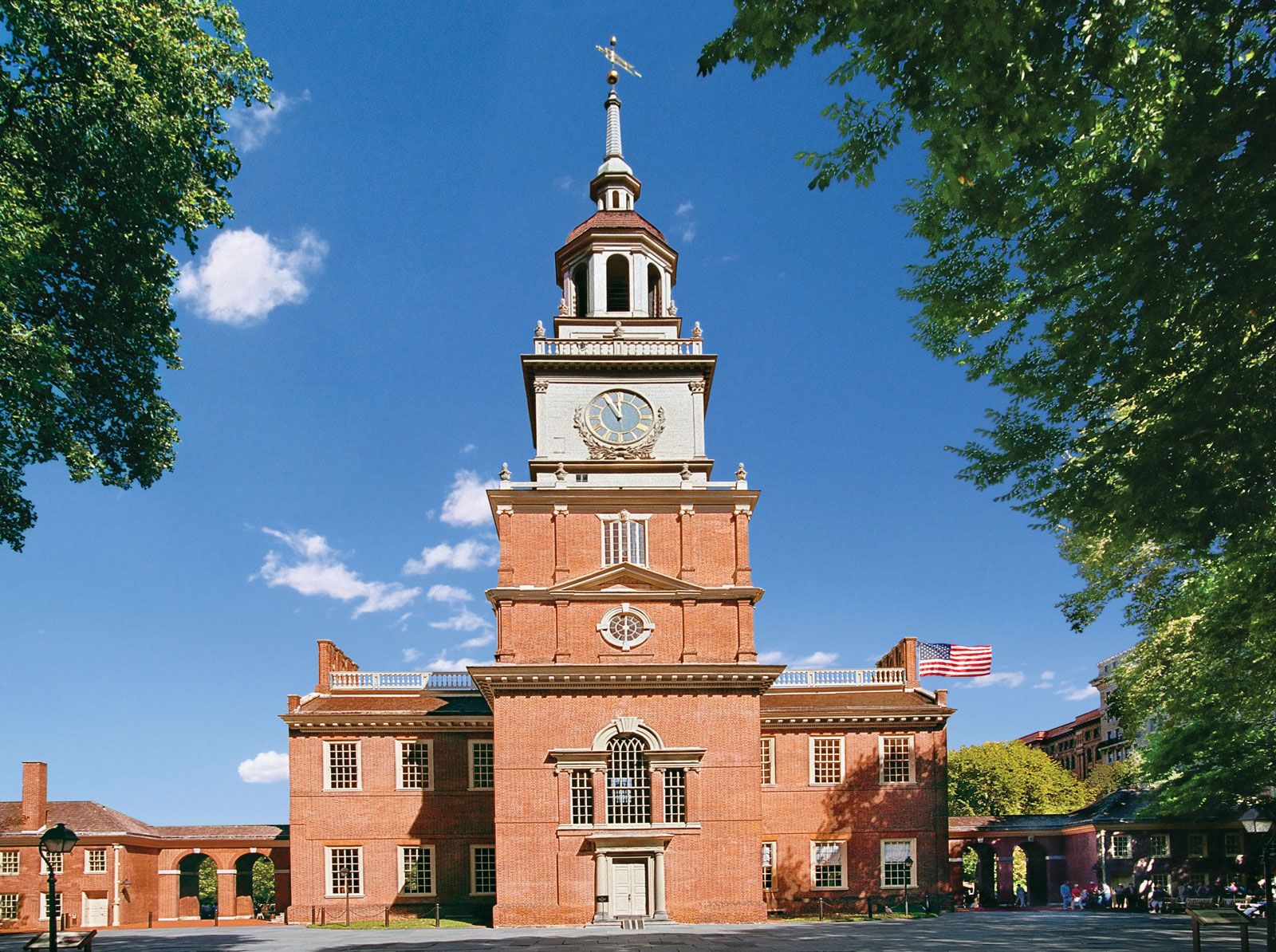
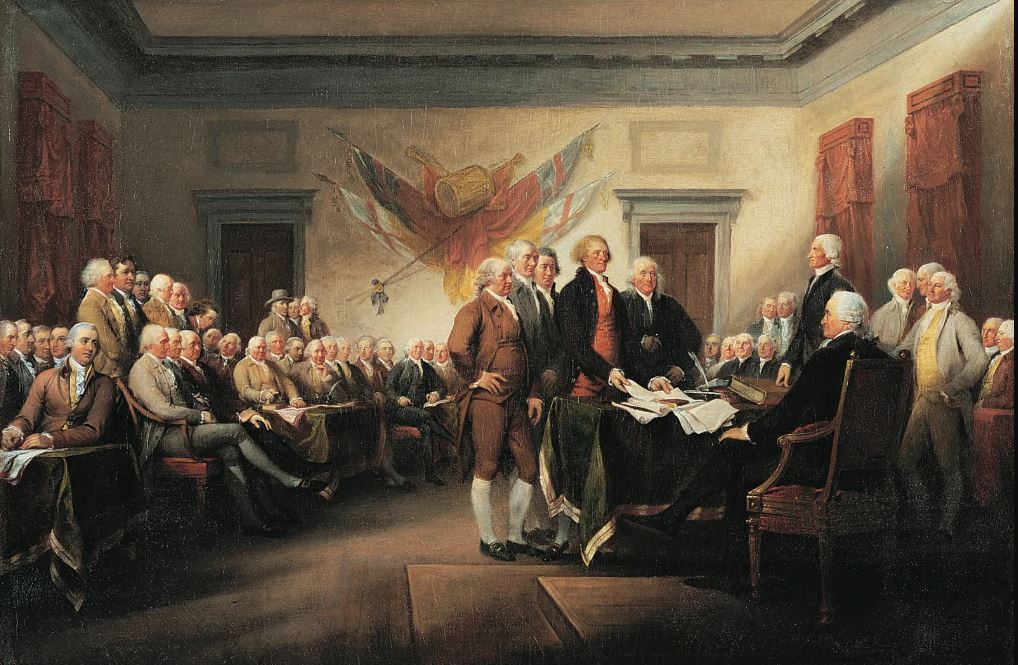
This group of men, along with others of that era, would come to be known in American History as the Founding Fathers. At the convention they first had to decide if they actually wanted to declare independence. After some debate, they voted “yes.” The next task was to write a document announcing that independence.
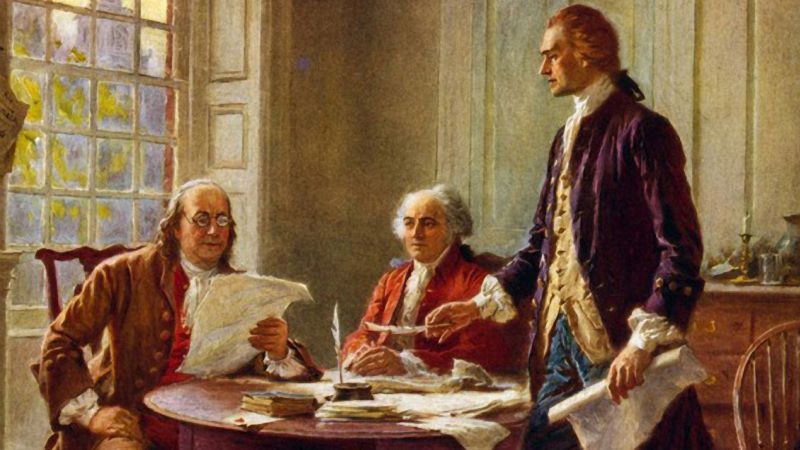
Thomas Jefferson was known for his writing abilities therefore he was chosen to write the first draft. The other four made changes and after that some of the other delegates revisions.
The document is 1323 words long. It contains both “legal wording” and “inspiring text.” The “legal wording” emphasizes its purpose. Towards the beginning it states: … whenever any Form of Government becomes destructive … it is the Right of the People to alter or to abolish it, and to institute new Government …
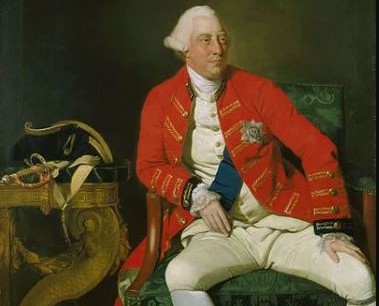
After listing 26 grievances against the British King, towards the end it says:
We, therefore, the Representatives of the United States of America … do, in the Name, and by Authority of the good People of these Colonies … declare, that these United Colonies are … Free and Independent States; that they are Absolved from all Allegiance to the British Crown.
We hold these truths to be self-evident, that all men are created equal, that they are endowed by their Creator with certain unalienable Rights, that among these are Life, Liberty and the pursuit of Happiness.
These iconic words inspired the nation back then and continue to do so today.
Ironically, at the time, the word “men” meant only white men, and did not include women. While early drafts of the Declaration talked about slavery, the passages about slavery were omitted from the final draft.
1817 Painting by John Trumbull
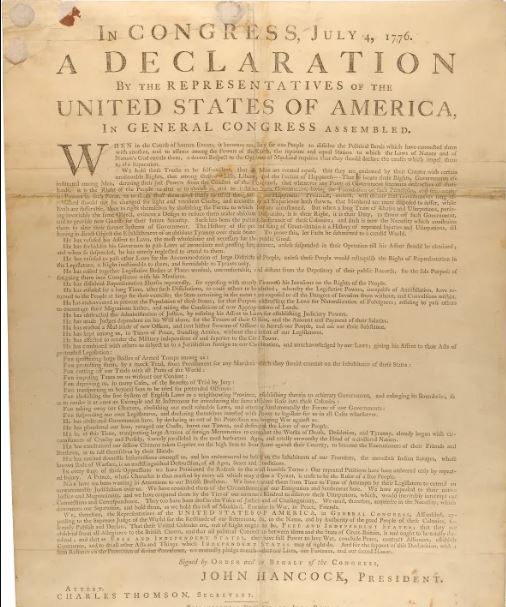
When the Declaration was complete, the final handwritten copy was sent to printer John Dunlap. He made approximately 200 poster size - “23 inches by 17 inches” single sided typeset copies. (Remarkably 26 of these copies survive today.)
The only names that appear at the bottom of this printed version are Continental Congress President, John Hancock and Congress Secretary, Charles Thomson. Many copies were sent to local newspapers. Others were sent to couriers who traveled by horseback to other states. The “Declaration of Independence” would arrive in the other states in the upcoming days.
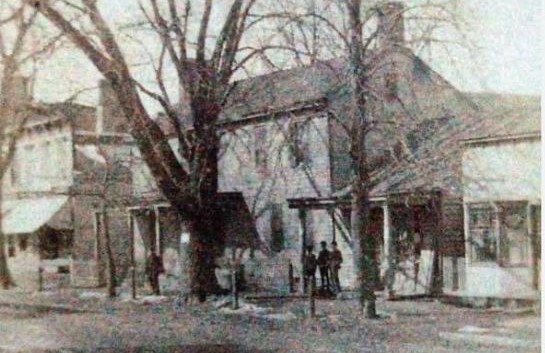
The closest formal reading of the new “Declaration of Independence” would occur in Bound Brook. Historic sources do not give a specific date, but say it was a few days after it was printed.
Hendrick Fisher, a prominent man who had held important positions in the New Jersey government, read it on the porch at Frelinghuysen’s Tavern which was on the Main Street (then called York Road.) He read to an enthusiastic crowd - who after the reading, carried him on their shoulders down the main street.
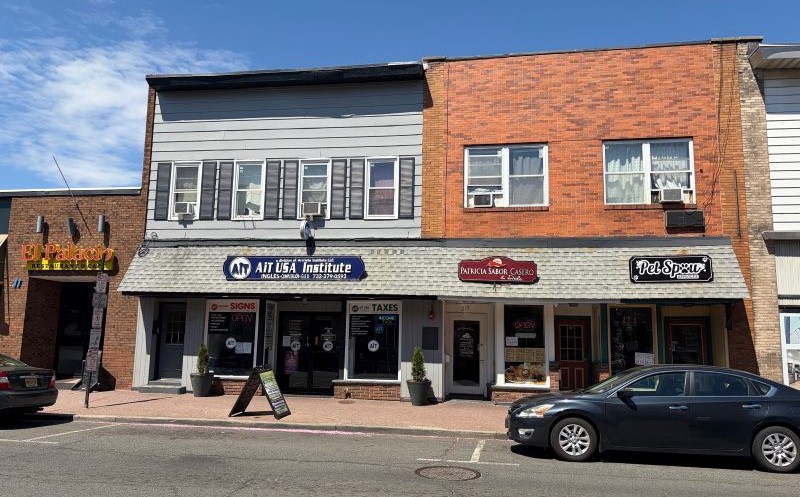
Today at the site where the Frelinghuysen Tavern once stood (213-215 East Main Street) is a plaque commemorating the reading. The tavern was demolished around 1908.
Click to see Plaque
In 1776, New Brunswick (then called Brunswick) was an important city with busy ocean accessible ports along the Raritan River.
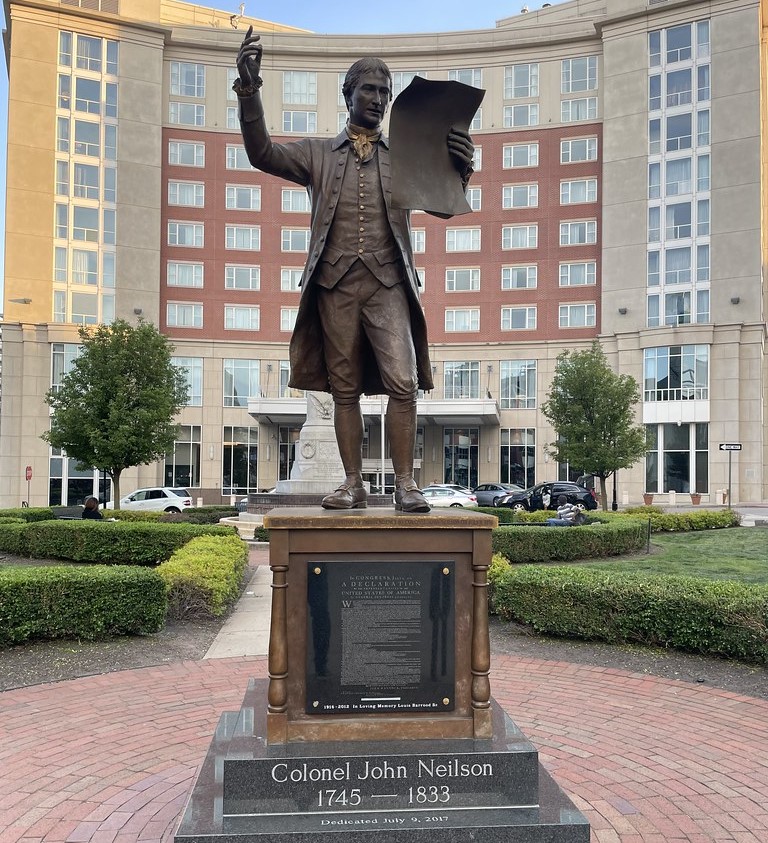
When a copy of the “Declaration of Independence” arrived in town on July 9th, militia leader and merchant, John Neilson stood on a table brought out from the White Hall Tavern on Albany Street, and read it aloud to a mixed crowd of Patriots and those still loyal to Britain. Today a plaque is on the building at Cuzin’s Seafood where the tavern once stood.
More significantly, a couple of blocks away at George Street and Livingston Avenue, is a statue of John Neilson, holding and reading the “Declaration of Independence.”
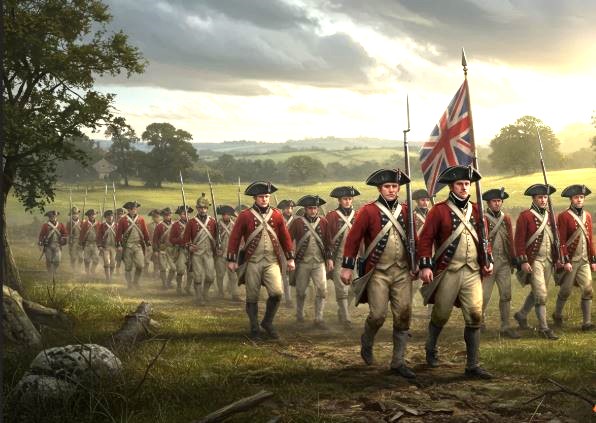
The Declaration was met with celebration by those desiring independence, while those loyal to the British King scoffed at the foolishness of it all.
Most in support of independence understood that this was just a piece of paper. Without military success against the most formidable army in the world, the Declaration was worthless.
Unknown to the colonists, at that time 20,000 British troops were making the seven-week trip from Britain to fight in America.
There is no record of the Founding Fathers making any effort to send a copy to Britain. They reasoned correctly that the British Troops stationed in America would send one of the U.S. newspapers in which the Declaration appeared to Britain. It would be mid-August that the Declaration made its way across the Atlantic Ocean to the King and British Parliament.
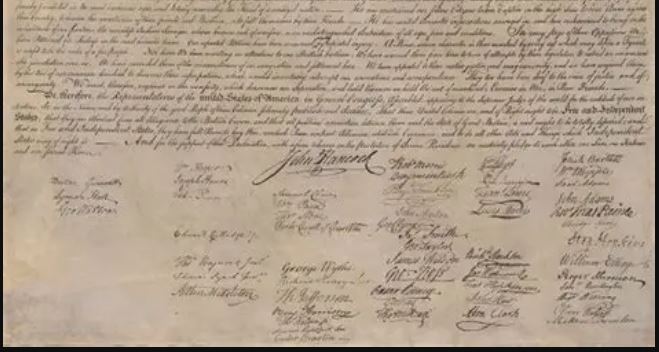
The 56 signers were truly brave men as they were openly committing treason against the British Empire – a crime that was punishable by death.
Nine of the signers died as a result of wounds or hardships sustained during the Revolutionary War.
There were still years of fighting ahead. The major battles of the Revolutionary War would not end until 1781. And it was not until 1783 when a peace treaty with Britain was finally signed.
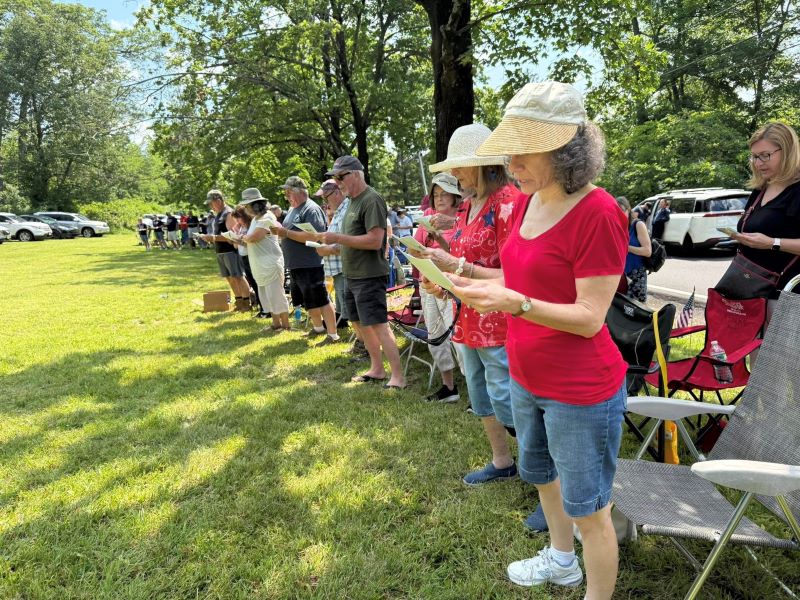
Patriotic music and other festivities are held that day. This year, being the 250th Anniversary, should be extra special. It starts at 10AM - there is no admission charge.