Grand Marshal of 2026 Basilone Parade
By Bruce Doorly
 |
 |
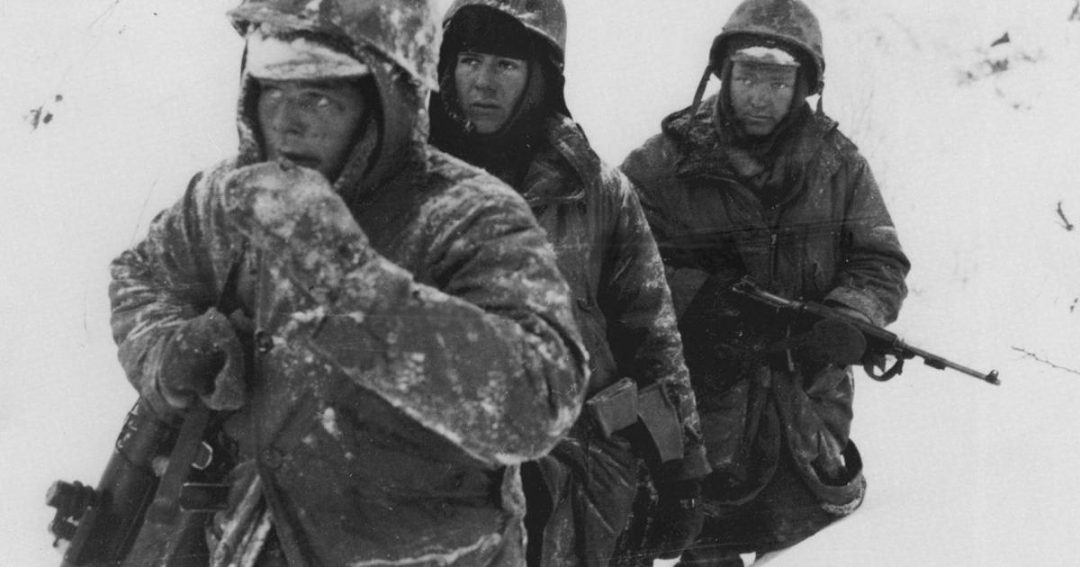
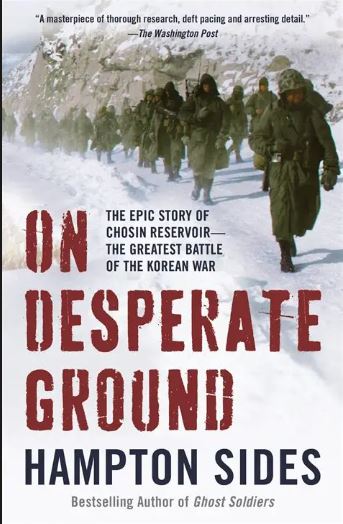
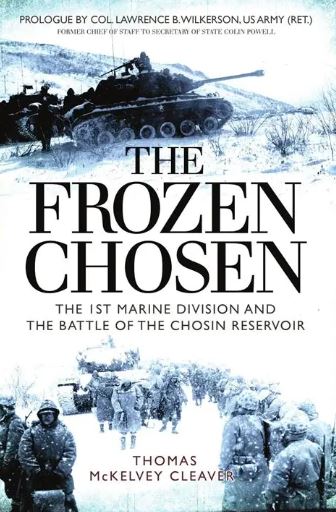
That battle is legendary in Marine Corps history as it was fought in unimaginable cold with temperatures as low as 30 degrees below zero. The Marines and army troops were outnumbered four to one - and surrounded - facing possible annihilation.
Only the bravery, determination, amazing engineering, and air superiority - allowed them to break out to fight another day.
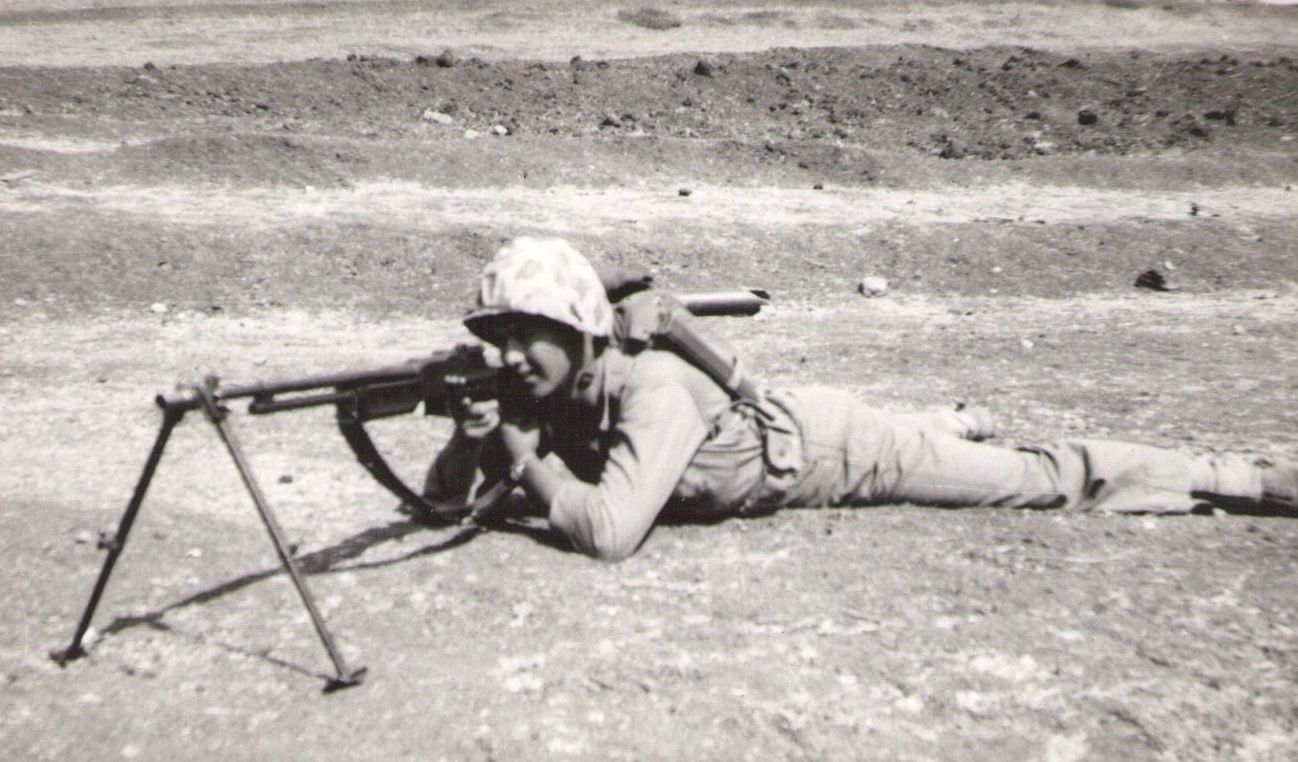
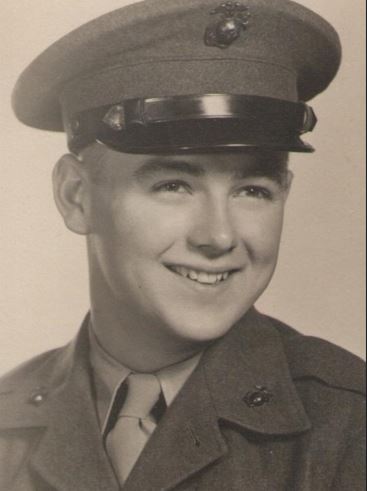
In November 1949, while still a senior in high school, Howie Taylor joined the United States Marine Corps Reserves. His Marine Corps training started in Dover N.J. when he was placed with an Infantry Battalion. When the Korean War began, his reserve unit was placed on active duty. He was sent to Camp Pendleton for further training, where he learned to operate, maintain, and fire the Browning Automatic Rifle (BAR). That gun is a machine gun which can fire 600 rounds per minute.
With the Korean War in full swing, on November 7, 1950, he landed at Wonsan, North Korea, with the 1st Marine Division and would soon march into battle.
The United Nations forces, led by the U.S. Marines, U.S. Army, and Britain’s Royal Marines, were fighting for South Korea against communist North Korea. The war officially started in June of 1950.
The North initially successfully invaded the South, taking over all but a south-east portion. The U.S. then surprised the North Koreans with a gutsy landing of thousands of troops on the western port of Inchon. With the new U.S. troops, the United Nations easily turned the tide against the North Koreans.
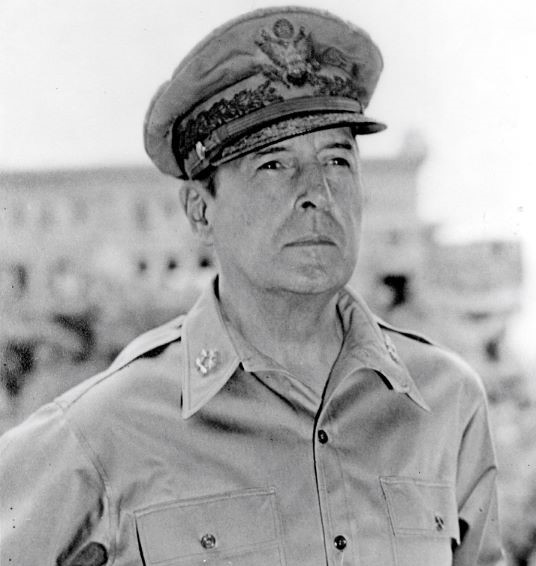
The U.S. commanders, led by General Douglas MacArthur, were now confident and decided to move into North Korea. Their plan was to occupy the north territory, unify Korea, and institute free elections. But 120,000 Chinese soldiers, who would soon enter the battle on the side of North Korea, had other ideas.
The terrain in Korea dictated that the U.S. march into North Korea would have to be made on one main road in the mountains. The troops would need to stretch out over many miles on a narrow road. This made them vulnerable to attack.
General MacArthur felt that there was no significant enemy present. The Chinese, whose border was along North Korea, felt that a U.S. presence next to them would pose a threat. Moving by night, the Chinese army had successfully snuck into North Korea.
The U.S. troops on the ground had started to encounter them and reported back to their generals the presence of the Chinese forces. But the glory seeking generals dismissed this warning and ordered the U.S. Marines and army to continue marching north.
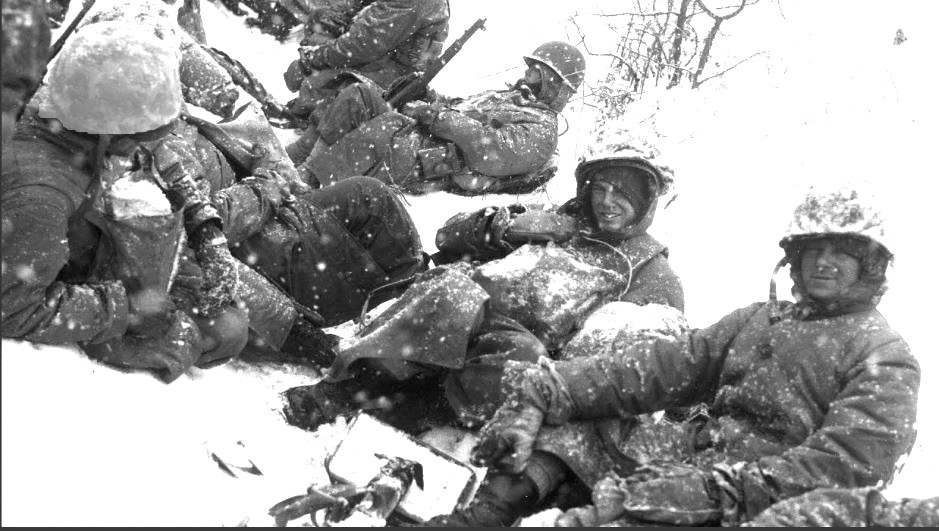
Their orders were quickly reversed from offense to defense. The United Nations forces would have to break out from the encirclement and head south to escape at the port of Hungnam. The prospects looked dim. The American newspapers began to prepare the public for a disaster.
Howie Taylor recalls that the Chinese used loudspeakers to try to intimidate the Marines. Broadcasting “Marines you die tonight.”
All throughout the battle it was absolutely freezing - the temperature was below zero. Not only were the two opposing sides fighting each other, but they were fighting against the cold. There would be more casualties caused by the cold than the fighting.
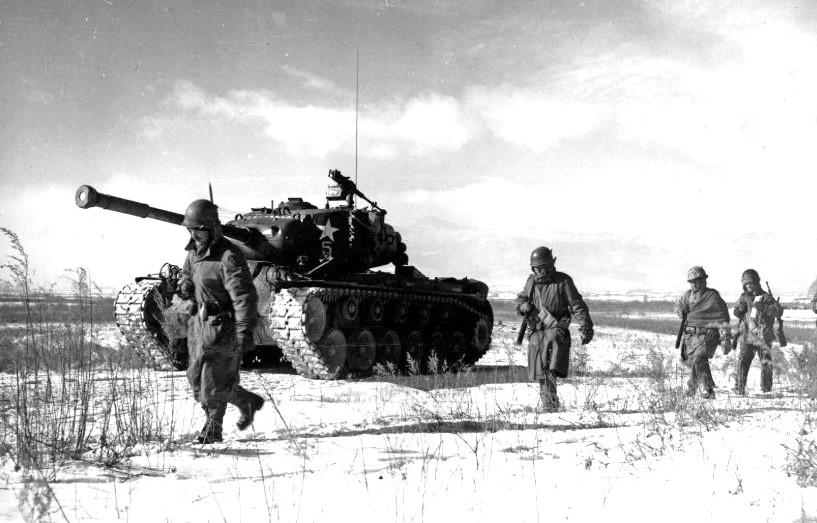
The breakout south of the Marines and army forces was a tough going. At first it was dozens of casualties per mile. The air support of heavily armed planes was vital to the breakout.
The Marines, along with Howie, fought the Chinese night after night. In one battle, Howie carried a badly wounded Marine from the front lines back to safety. The wounded soldier would lose a limb, but he survived. After several weeks, Howie had major cases of frostbite on his hands, toes, nose, and ears - they were black. He was ordered to be scheduled for evacuation.
During the battle the engineering unit of the Marines did an outstanding job. About half way along the escape route to the port the engineers constructed an airfield in just fifteen days. This allowed the wounded to be evacuated and supplies to be brought in. Howie gave much credit to the engineers saying they built an airfield on what initially was a field of ice.
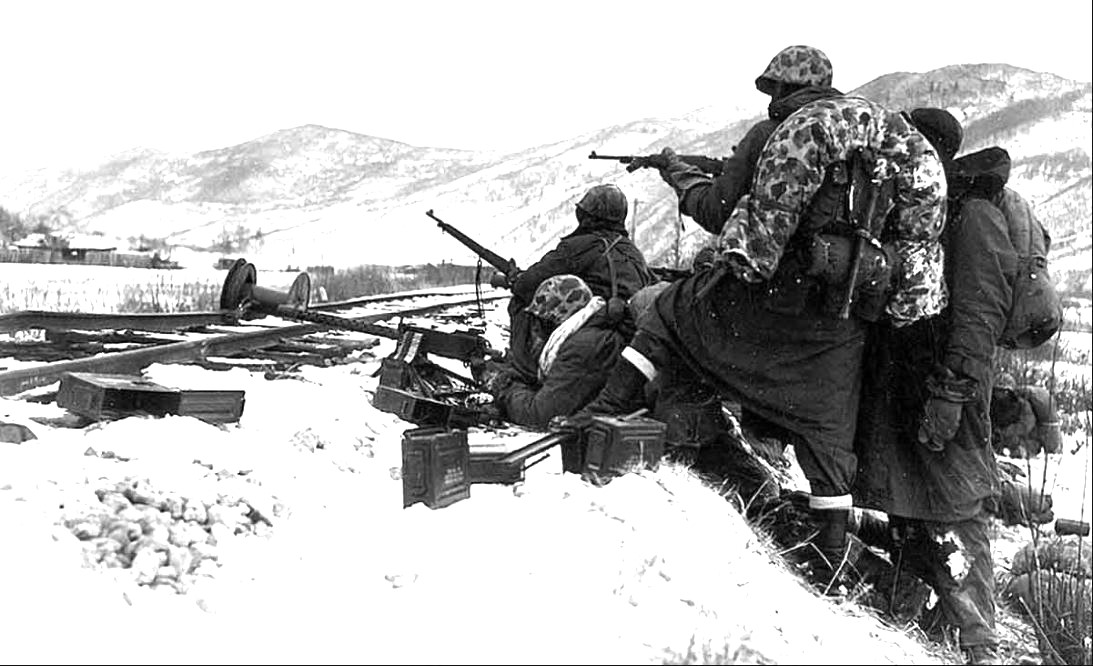
But the engineers had a creative plan. They asked the Airforce to drop four steel beams from airplanes. A task that had not been tried before. The Airforce managed to do this and the engineers were able fix the bridge allowing the military vehicles to reach the port.
By December 13th the Marines, Army, and Royal Marines were safe at the port of Hungnam. They set sail on over one hundred vessels where they regrouped to fight another day.
While the battle was a retreat for the U.S., with 1,029 dead and over 5,000 injured. The Chinese losses were far heavier with 7,300 dead and 44,000 injured.
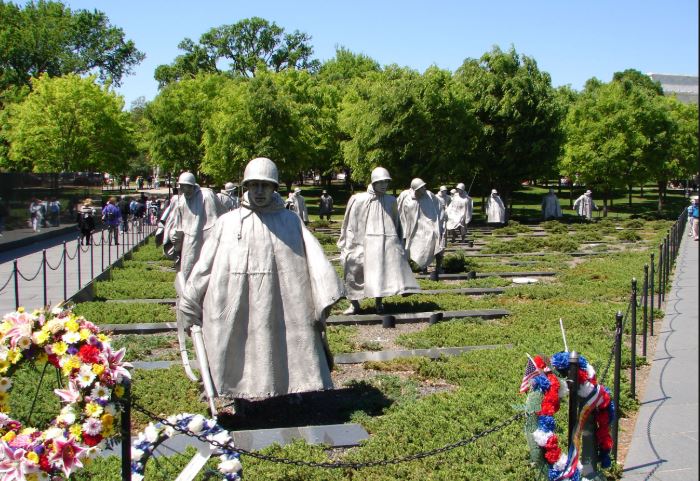
reflects the Battle of the Chosin Reservoir
The battle of Chosin Reservoir is regarded by some historians as the most brutal in American History due to the casualty rate, the weather, and the conditions that the men had to endure.
The men who fought in this battle have been called the “Chosin Few.”
They still have annual reunions even though the youngest of them is 94 years old. In the Marine Corps Museum there is a special section honoring the Battle of the Chosin Reservoir.
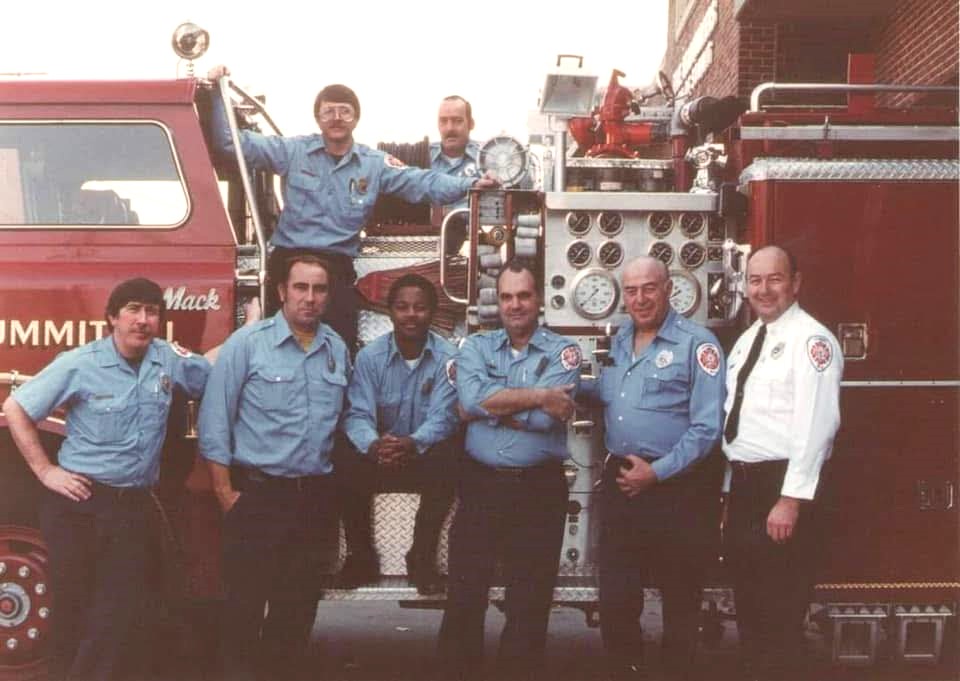
After Korea, Howie was stationed again in Dover N.J., serving as a base MP until he left the Corps in 1953 with the rank of sergeant. After the Marine Corps, Howie continued to serve his community for 42 years as a firefighter in his hometown of Summit, NJ from 1955 until his retirement as Battalion Chief in 1997. He is an active member of the Central Jersey Leathernecks Marine Corps League and the National Chapter of the “Chosin Few.”
The public is invited to come out on Sunday, September 20th 2026 at 1PM in downtown Raritan to see Howie Taylor in the Basilone Parade.
 |
 |